
Aceh Singkil, 8 August 2025 — The Sustainable Living Village (SLV) program, implemented by Apical in collaboration with its partners, marks a significant milestone in its second year in Aceh Singkil Regency, Aceh. Held at the Aceh Singkil Regional Development Planning Agency (Bappeda) office, the initiative has shown tangible progress through large-scale tree planting, capacity building for oil palm smallholders, and the strengthening of smallholder institutions.
The SLV program serves as a model for sustainable village development that balances socioeconomic progress with environmental protection. Through this program, smallholders not only receive guidance on implementing sustainable palm oil practices but are also encouraged to diversify their livelihoods—such as by cultivating trigona honey, which provides an additional source of income while helping to reduce pressure on forest areas.
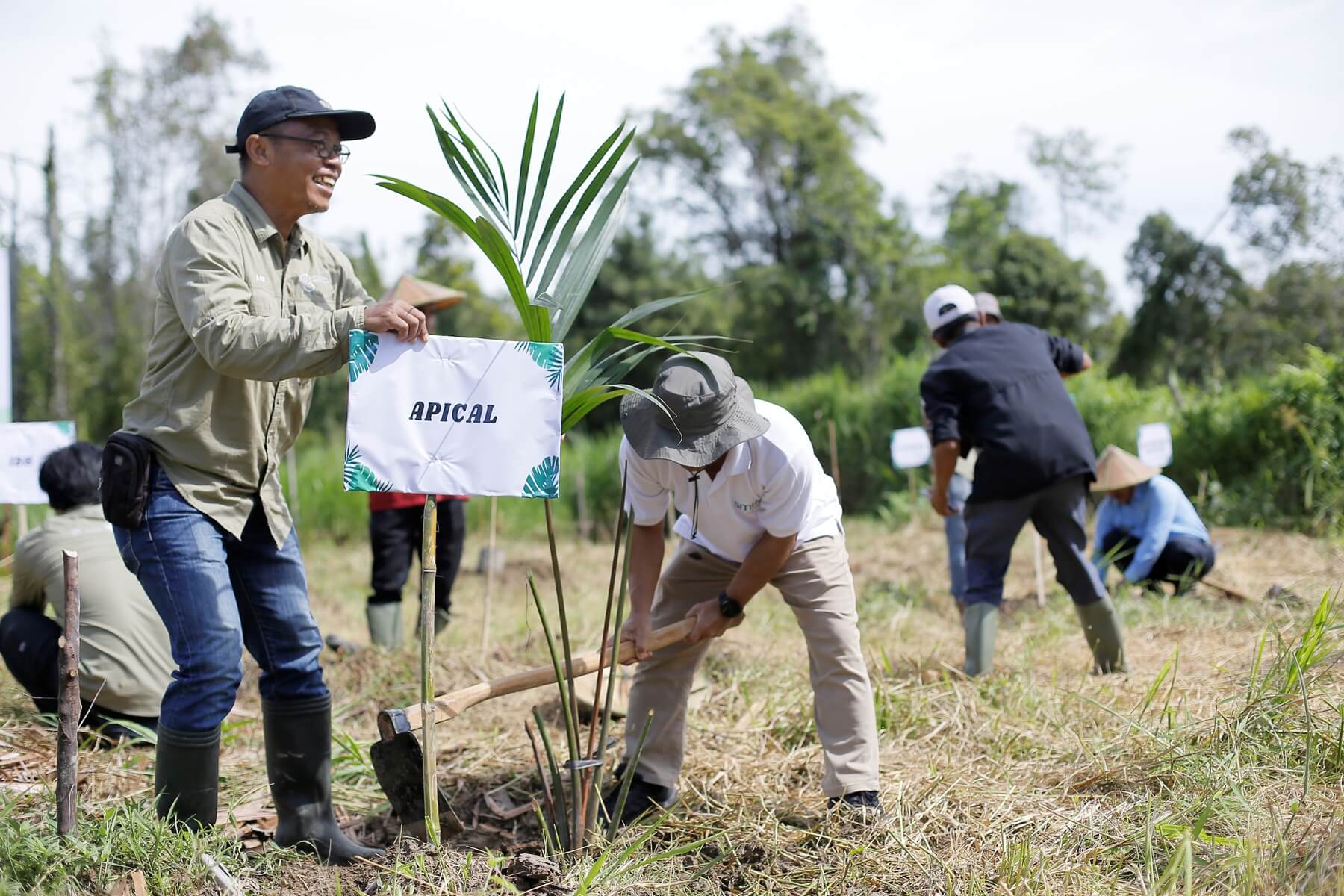
The SLV program was carried out through a collaboration between Apical, the Sustainable Trade Initiative (IDH), the Sustainable Ecosystem Foundation (YEL), and the Leuser Conservation Forum (FKL), in partnership with the Aceh Singkil Regency Government.
The event was attended by representatives from various local government agencies, including the Regional Development Planning Agency (Bappeda), the Environmental Agency, and the Plantation Agency, as well as independent smallholders, civil society organizations (CSOs), and other key stakeholders. This multi-stakeholder collaboration ensures that every achievement in the field aligns with the region’s development agenda and the sustainability targets of the palm oil sector.
In terms of capacity building, one of the key achievements is the completion of Good Agricultural Practices (GAP) and Best Management Practices (BMP) training by 1,000 smallholders. This milestone reflects the broad scale of the program’s implementation, reaching smallholder groups across multiple regions.
Through GAP, smallholders are encouraged to adopt efficient, safe, and environmentally friendly cultivation methods. Meanwhile, BMP translate these principles into practical steps in the field—from balanced fertilization and integrated pest management to proper recordkeeping of plantation activities.
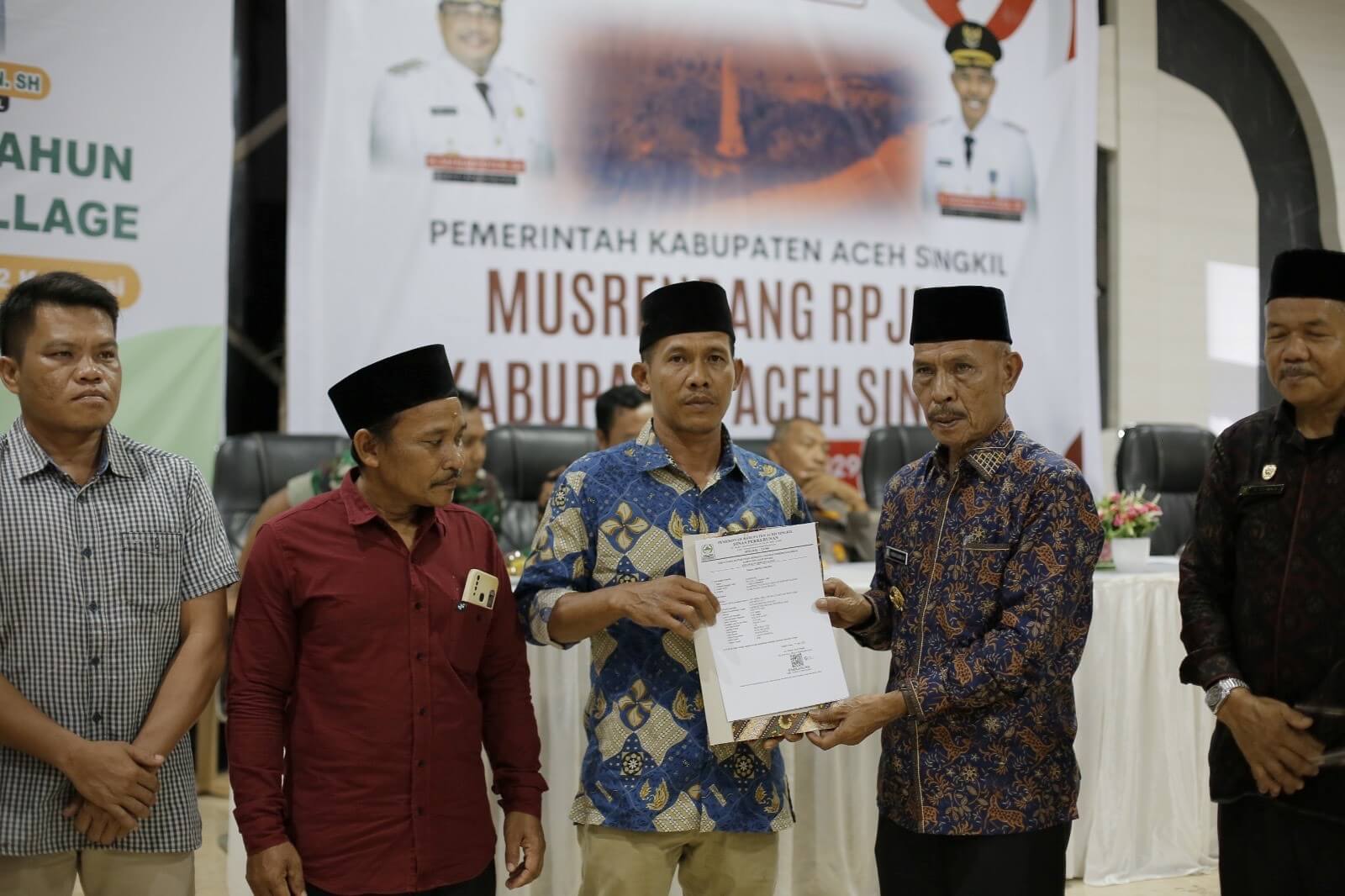
“The Government of Aceh Singkil Regency welcomes the achievements of the SLV program, as they align with our regional priorities of improving community welfare while protecting vital ecosystems in our area,” said Aceh Singkil Deputy Regent H. Hamzah Sulaiman. “We appreciate our partners who have consistently supported farmers, strengthened local institutions, and expanded access to better markets and financing opportunities.”
In line with the support of the local government, Apical reaffirmed its commitment to delivering measurable value for both the community and the environment. “Our focus is to help smallholders progress by promoting good agricultural practices, improving access to legal certification, and strengthening cooperatives. This way, productivity increases, costs become more efficient, and environmental risks are reduced,” said Sugiantoro, CSR Manager of Apical. “The achievement of training 1,000 smallholders serves as a strong foundation for expanding the impact of the SLV program in the years to come.”
Governance strengthening was then realized through the inauguration of two independent smallholder cooperatives. These cooperatives serve as a collective platform to facilitate more affordable access to production inputs, ensure greater transparency in the marketing of Fresh Fruit Bunches (FFB), and prepare members for sustainability certification. With strong institutional structures in place, the benefits of the program can continue and expand beyond the intervention period.
Meanwhile, on the legal front, more than 500 farmers have received their electronic Cultivation Registration Certificates (e-STDB). This document serves as a key to accessing formal financing, strengthening their bargaining position with off-takers, and fulfilling an essential requirement for certifications such as ISPO and RSPO.
“Properly organized land legality is a crucial foundation for an inclusive supply chain traceability system, as well as access to financing and other support mechanisms,” said Nassat Idris, Chairman of the Green Trade Initiative Foundation. “With e-STDB, independent smallholders can become part of the global supply chain and gain better market value.”
The SLV program in Aceh Singkil is a tangible embodiment of Apical’s 5C philosophy—Good for Community, Country, Climate, Customer, and Company—which fosters synergy between the company, the government, and the community to build resilient villages and create a greener, more sustainable future.
###
About Apical
Apical is a leading vegetable oil processor with an expanding global footprint. Our vertically integrated mid-stream refining and value-added downstream processing makes us an integral supplier that supports the needs of various industries namely food, feed, oleochemicals and renewable fuel, including sustainable aviation fuel (SAF) which enables a great reduction of CO2 emissions.
With integrated assets in strategic locations spanning Indonesia, China and Spain, Apical operates numerous refineries, oleochemical plants, renewable fuel plants and kernel crushing plants. Through joint ventures and strategic partnerships, Apical also has processing and distribution operations in Brazil, India, Pakistan, Philippines, Middle East, Africa, USA and Vietnam.
Apical’s growth is built on the foundations of sustainability and transparency, and motivated by our strong belief that we can contribute to a circular economy for a more meaningful impact, even as we continue to grow our business and deliver innovative solutions to our customers.
For more information, please visit www.apicalgroup.com.
Media Contact:
Corporate Communications, Apical Group
Email: corpcomm@apicalgroup.com